Quanser is delighted to announce that Julia Rosa Romero Benites of Universidad de los Andes, Colombia, has been selected as the winner of the 2026 Quanser Global Sustainability Award.
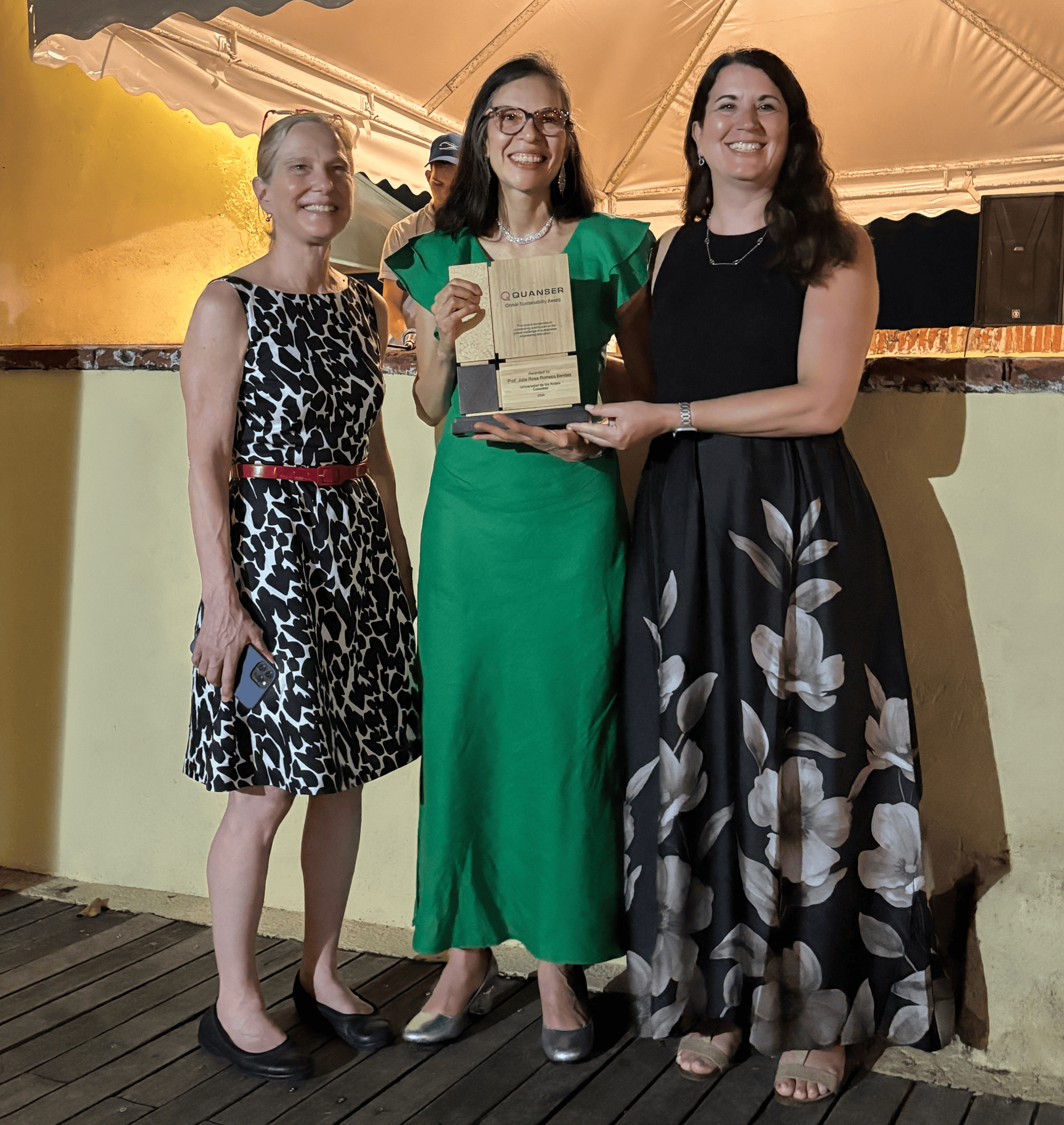
From left to right: Dr. Stephanie Farrell, Rowan University; Julia Rosa Romero Benites, Universidad de los Andes; Josie Rahaman, Director of Marketing, Quanser
Presented in partnership with the International Federation of Engineering Education Societies (IFEES) and the Global Engineering Deans Council (GEDC), the award recognizes innovative educational initiatives that equip students with the knowledge, skills, and mindset to address global sustainability challenges.
Now celebrating its fifth edition, the award continues to highlight educators who are turning sustainability from an academic concept into meaningful educational and societal impact.
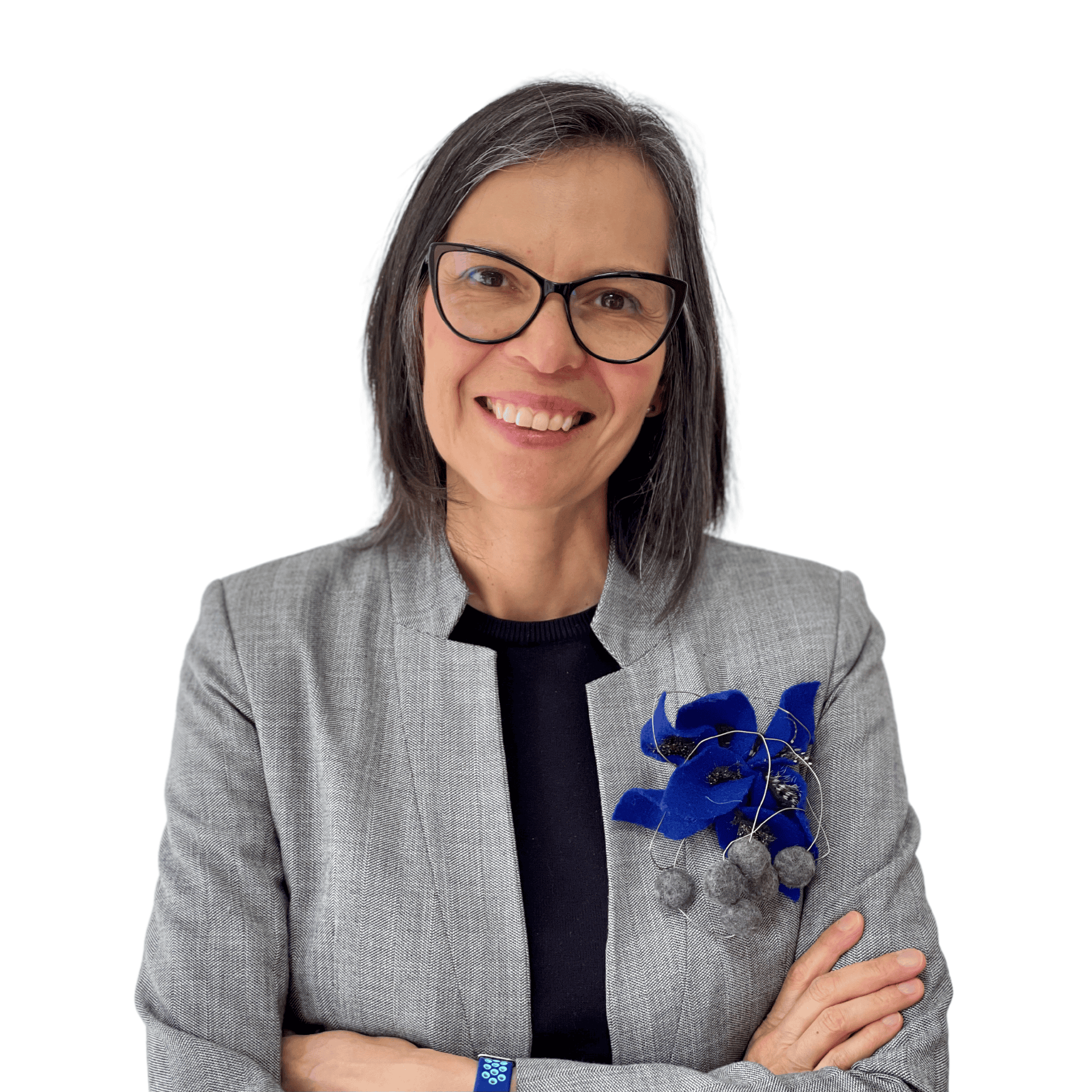 |
About the Winner: Julia Rosa Romero BenitesJulia Rosa Romero Benites is Director of the Master’s in Supply Chain Management and Professor of Sustainability and Supply Chain Management at Universidad de los Andes in Colombia. Through her teaching and leadership, Julia connects sustainability education to the complex, real-world decisions organizations and supply chain professionals face. Her work helps students understand that creating sustainable change requires not only technical knowledge, but also collaboration, systems thinking, and the ability to navigate competing economic, environmental, and social priorities. |
The Winning Project: From Dilemmas to Impact: University–Industry Co-Teaching for Sustainable Supply Chain Ecosystems
Julia was recognized for her project, “From Dilemmas to Impact: University–Industry Co-Teaching for Sustainable Supply Chain Ecosystems.”
The initiative brings universities and industry together to create an applied learning experience centered on real sustainability challenges. By engaging students with authentic industry dilemmas, the project enables them to examine sustainability from multiple perspectives, work with external partners, and translate classroom learning into practical recommendations and action.
This university–industry co-teaching model helps bridge the gap between academic knowledge and professional practice. It prepares students to approach sustainability challenges as interconnected systems—balancing operational realities with environmental and social responsibilities.
The project also demonstrates how collaboration between educators and industry practitioners can strengthen curriculum relevance, deepen student engagement, and create impact beyond the classroom.
Why This Matters
Sustainable supply chains play a critical role in addressing global challenges, from climate change and resource efficiency to responsible production and equitable economic development.
Julia’s initiative shows how sustainability education can move beyond theory by placing students directly within the dilemmas that organizations face. In doing so, it develops future leaders who are better prepared to make informed, responsible decisions in complex environments.
The project embodies the purpose of the Quanser Global Sustainability Award: to recognize educational approaches that are innovative, measurable, and capable of inspiring broader change in engineering and sustainability education.
A Message from Quanser
“Julia’s work demonstrates the transformative potential of bringing education and industry together around real sustainability challenges. By giving students the opportunity to navigate complex decisions and turn their learning into practical impact, this initiative is preparing a new generation of leaders to build more responsible and resilient systems. We are proud to recognize Julia as the winner of the fifth Quanser Global Sustainability Award.”
— Paul Gilbert, CEO, Quanser
Recognition at WEEF & GEDC 2026
Julia was formally recognized during the award ceremony at WEEF & GEDC 2026 on September 24, 2026, in Cartagena de Indias, Colombia. The event brought together engineering education leaders from around the world to exchange ideas and advance collaboration on the challenges shaping the future of education.
We extend our warmest congratulations to Julia Rosa Romero Benites on this well-deserved recognition.