Physical AI Lab
Kickstart, integrate, accelerate & sustain research workflows in traditional robotics, applied AI & physical AI.
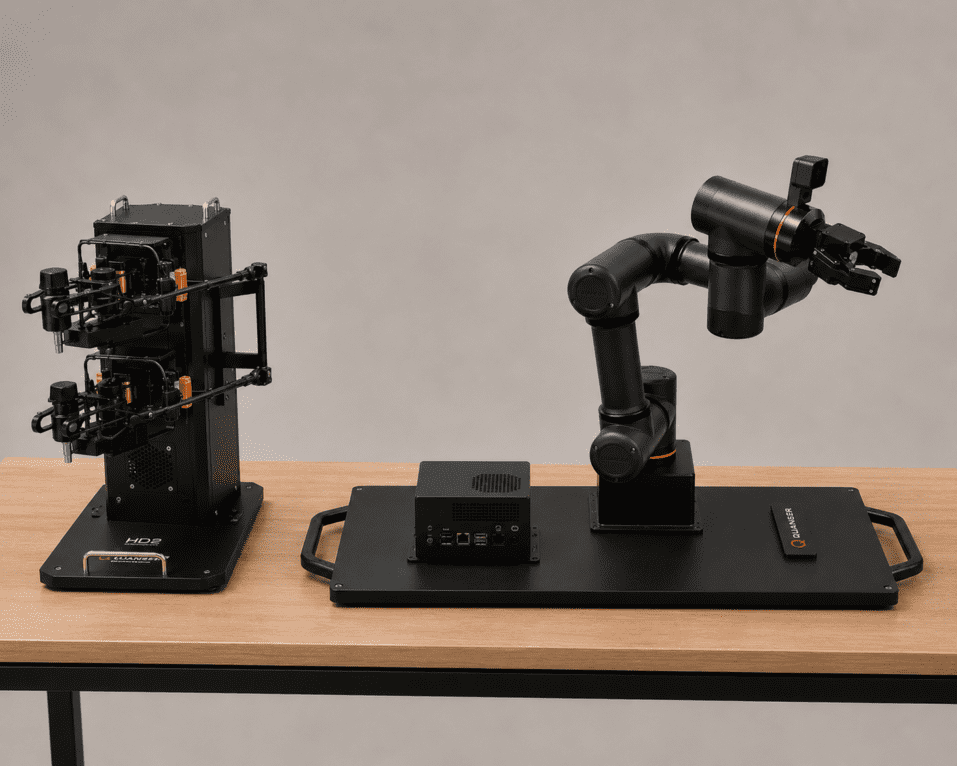
The Physical AI Lab is a turnkey, integrated solution designed for end-to-end research workflows in traditional robotics, applied AI, and physical AI. At its center is QArm Research, a precise, highly instrumented, academically-appropriate 6-DOF robotic platform for safe, repeatable experimentation in intelligent robotic systems. The lab also includes QBrain, an NVIDIA-based edge compute node for algorithm deployment, Haptic Robot for human-in-the-loop control and imitation learning, and force/torque sensing for richer physical interaction. Together with ready-to-use research examples, these components help researchers study how robots perceive, decide, move, interact, learn, and validate intelligent behaviors on physical hardware through one connected end-to-end pipeline.
Gallery
Product Details
The Physical AI Lab is a turnkey offering designed to kickstart, integrate, accelerate, and sustain end-to-end research workflows and learning outcomes in traditional robotics, applied AI, and physical AI.
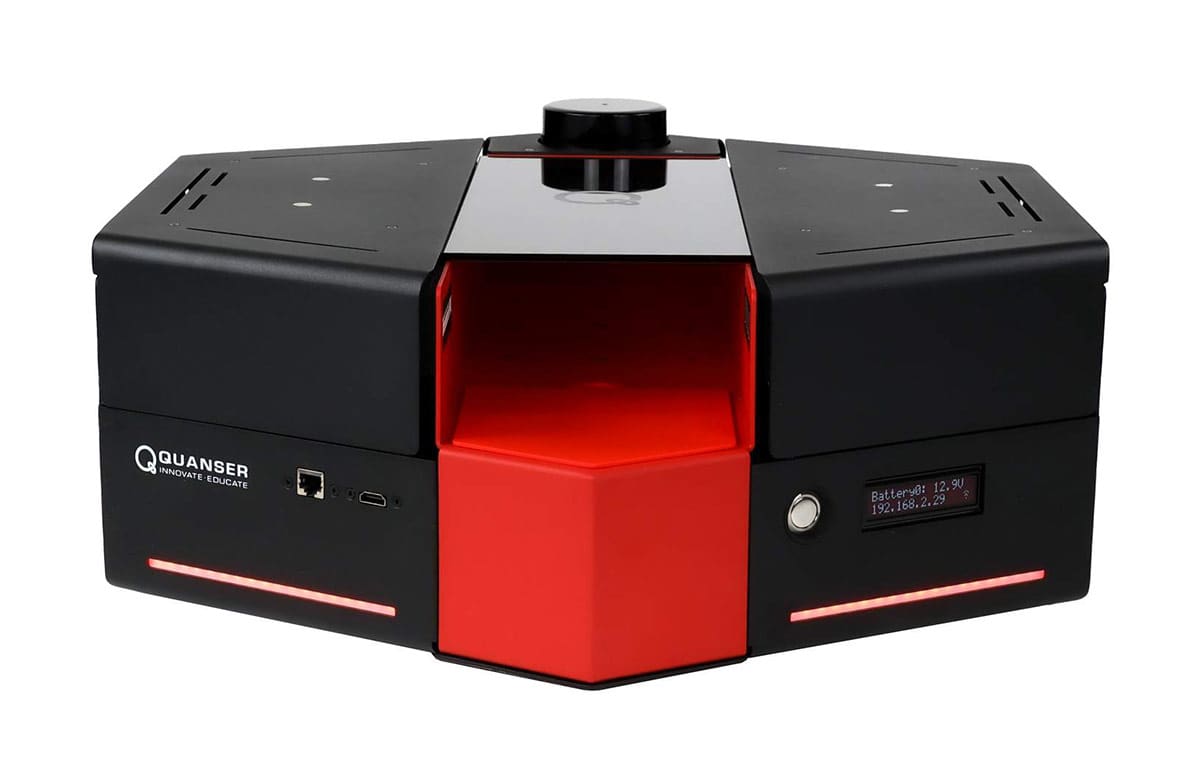
At its core, the lab combines the QArm Research manipulator (including QBrain and QLabs), a lab license of QUARC® Complete for MATLAB/Simulink, the Haptic Robot for teleoperation and imitation learning, a force/torque transducer for enhanced sensing, and a rich collection of end-to-end applications and examples spanning traditional robotics, applied AI, and physical AI. Labs can be extended with a Ground Control Station for application development, QBot Platforms as additional mobile agents, and a router to enable communication between QBot Platforms, the QArm Research, and the GCS.
Built by the world leader in academic solutions for applied and physical AI, the Physical AI Lab gives researchers a validation platform to test physical AI models on hardware, and gives robotics researchers a structured entry point into physical AI workflows. It harnesses the power of diverse modern physical AI frameworks while scaling and adapting them to an academic context. Using tools/language including NVIDIA Isaac®, ROS 2™, Python®, C++,and Simulink®, researchers can quickly apply these frameworks to both manipulator and mobile robots without the hassle of low-level integration and high-level discovery.
Unlike conventional robotic arm offerings paired with an NVIDIA box, the Physical AI Lab delivers white-box applications and examples that are open-architecture and reconfigurable, a digital twin to scale applications toward education-related workflows, and full integration with the broader Quanser ecosystem, including QDrone and beyond.
- QArm Research (Including QBrain & virtual twin)
- Lab license of QUARC® Complete
- Haptic Robot
- End-to-end applications & examples for traditional robotics, applied AI & physical AI
- Force/torque transducer
Optional add-ons:
- Ground Control Station (GCS)
- QBot Platform (including virtual twin)
- Router
Related Products
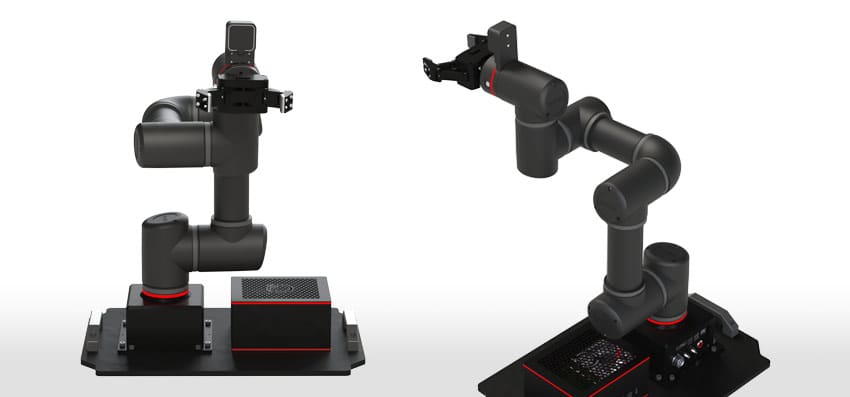
QArm Research
An integrated platform to kickstart and accelerate end-to-end research workflows.
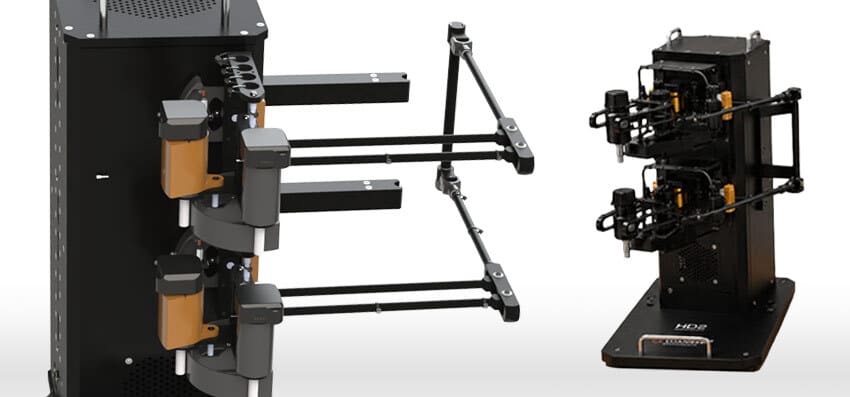
Haptic Robot
High-definition, open-architecture haptic platform for advanced robotics, teleoperation, Physical AI research.